


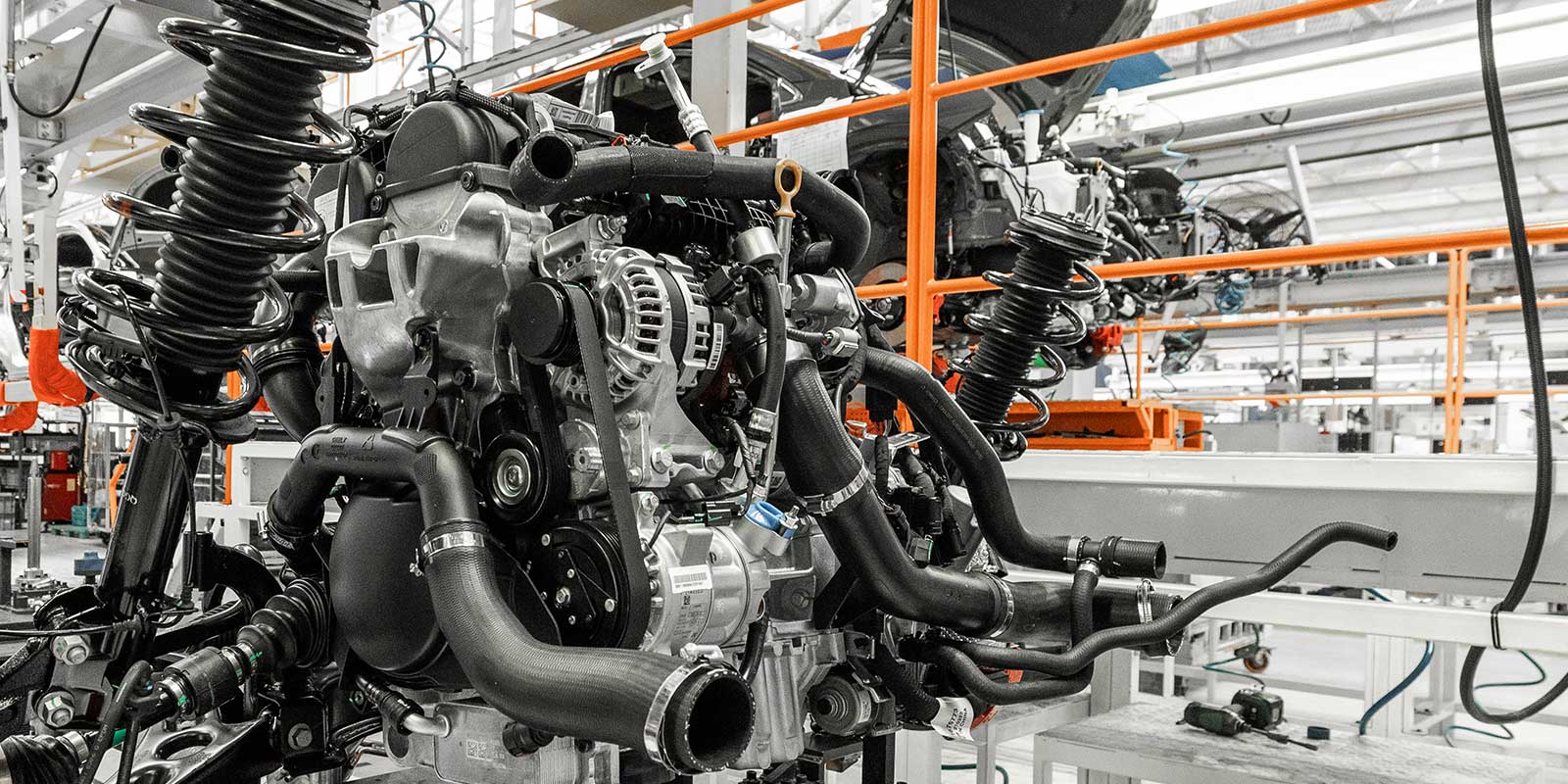
The automotive industry is at a critical crossroads. As the world leans into sustainability, the debate between electric vehicles (EVs) and traditional diesel-powered vehicles intensifies. From commercial trucks to personal cars, the transition impacts manufacturers, logistics firms, and drivers alike. This article delves deep into the performance, efficiency, environmental impact, and cost aspects of both powertrains.
| Aspect | Electric Vehicles (EVs) | Diesel Vehicles |
|---|---|---|
| Fuel Source | Electricity (Battery) | Diesel Fuel |
| Emissions | Zero tailpipe emissions | High CO₂ and NOx emissions |
| Maintenance | Lower (fewer moving parts) | Higher (engine wear, filters) |
| Refueling Time | Long (charging duration) | Short (5-10 minutes) |
| Range | 200–500 km average | 800+ km typical |
| Initial Cost | Higher upfront, lower fuel cost | Lower upfront, higher fuel cost |
Electric trucks are no longer a futuristic dream—they are transforming roads today. Renowned brands like Tesla, Volvo, and Mercedes-Benz are rolling out heavy-duty electric vehicles that offer fast-charging, impressive payloads, and a quieter driving experience. Their instant torque and silent operation make urban deliveries both efficient and environmentally friendly.

Diesel vehicles still hold their ground in long-haul logistics, primarily due to their existing refueling infrastructure and proven performance in heavy-load conditions. Diesel engines deliver high torque and reliability, making them ideal for extended journeys where range and refueling speed are crucial.
Governments worldwide are tightening emissions regulations and offering incentives for cleaner vehicles. Electric vehicles, with their zero tailpipe emissions and compatibility with renewable energy, are at the forefront of these initiatives. The automotive market is witnessing a seismic shift as manufacturers invest heavily in EV technology.
The European Union, for instance, aims to reduce truck emissions by over 45% by 2030. These regulatory pressures, combined with environmental concerns, are accelerating the adoption of electric fleets, especially in urban delivery segments.
Choosing between an electric and diesel vehicle involves several factors:
While the debate continues, the future clearly points toward a diversified market. Manufacturers are not completely phasing out diesel; instead, they are optimizing hybrid solutions and bridging the gap between traditional and electric drivetrains. Investments in battery technology and charging infrastructure are set to revolutionize the way we perceive commercial transport.
For many, the choice comes down to the specific needs of their fleet. Urban carriers might lean toward electric solutions, while long-haul logistics may still rely on diesel—at least for now.
At Klötze Technic, we understand that every drive matters. That's why we offer a comprehensive range of OEM-grade spare parts and components for both diesel and electric vehicles. From air brake systems to advanced electrical components, our products ensure your fleet remains safe, efficient, and future-ready.
Birol Coşgun
SEO Keywords: electric vs diesel trucks, EV vs diesel vehicles, fleet management, truck maintenance, fuel efficiency, emissions, green transport, Klötze Technic spare parts


