


It's midnight, the temperature has dropped below freezing, and you have a critical load or passengers that must reach the platform or delivery point. You start the engine, check the gauges, and wait for that familiar hissing sound. However, the system just won't build pressure, the brakes won't release, and the gear shift assistant doesn't engage. This is one of the worst nightmares drivers face in logistics lines and passenger transportation. Every month, thousands of people search the internet for truck air dryer failure, bus air dryer filter, or bus air compressor not working, looking for a practical solution for this exact moment.
In this technical analysis; we will approach, like a story, the vitally important air brake systems in the world of trucks, semi-trucks, and buses, that delicate chain extending from the compressor to the tanks, and the true secrets of the masters behind the question: when and how to change the air dryer filter of trucks and buses?
Trying to fix the malfunction without fully understanding how the system works is no different from applying a temporary bandage. When the engine is started, the first task falls on the heavy vehicle air compressor. The compressor compresses the air rapidly and pumps it into the system at a high temperature. It is exactly at this stage that the air dryer function must come into play. The hot air passes through the special chemical granules inside the dryer filter and is stripped of its moisture. If this drying process fails, the moisture travels directly into the air tank of trucks and buses.
The result? Frozen brake valves in the winter months, collapse of the suspension (bellows) system in passenger buses, rusted metal pipes, and sudden brake lockups in the middle of the road. In workshop slang, this is called "leaving the vehicle breathless."
When performing a heavy vehicle air dryer filter replacement in the workshop or at safe road sidings, follow these professional steps in order:
Let's take a look at our Q&A section that will increase your website's indexing speed, which is the most searched by Google search engine, bus companies, and truck drivers on the road:
Answer: In old-generation vehicles, alcohol or anti-freeze was injected into the air lines to prevent freezing in winter. However, in modern integrated dryer systems (APU), when a quality air dryer filter with oil separator is used, such external chemicals are not needed. On the contrary, excessive chemical use can disrupt the structure of the moisture-retaining granules inside the filter and damage the delicate level valves of buses.
Answer: It is usually located on the side of the chassis, right between the compressor outlet and the main distribution valves. Its function is to filter out moisture, water, and oil vapor escaping from the compressor before the air leaves the compressor and reaches the air tanks, thereby protecting both the brakes and the door and suspension systems of buses.
Answer: The environment in which the vehicle operates is just as important as the mileage performance. On a semi-truck engaged in standard highway transport, the ideal replacement is once a year or every 100,000 km. However, on urban and intercity passenger buses that constantly stop and start with door operations, or on construction trucks in dusty environments, this period should be reduced down to 6 months or 50,000 km due to higher air consumption.
Answer: This situation indicates that your filter has now reached its saturation point and lost its function. Since the filter cannot perform its duty, it expels the incoming oil outwards. If the amount of oil coming out is very dense and looks like sludge, it means your air compressor rings are worn out, and compressor maintenance is urgently required.
High material quality in heavy vehicle pneumatic systems directly reduces vehicle downtime in the workshop. As Klötze Technic, we offer spare parts solutions fully compatible with the standards of all major semi-truck, truck, and bus manufacturers such as Mercedes-Benz, Volvo, Scania, DAF, MAN, Iveco, and Renault.
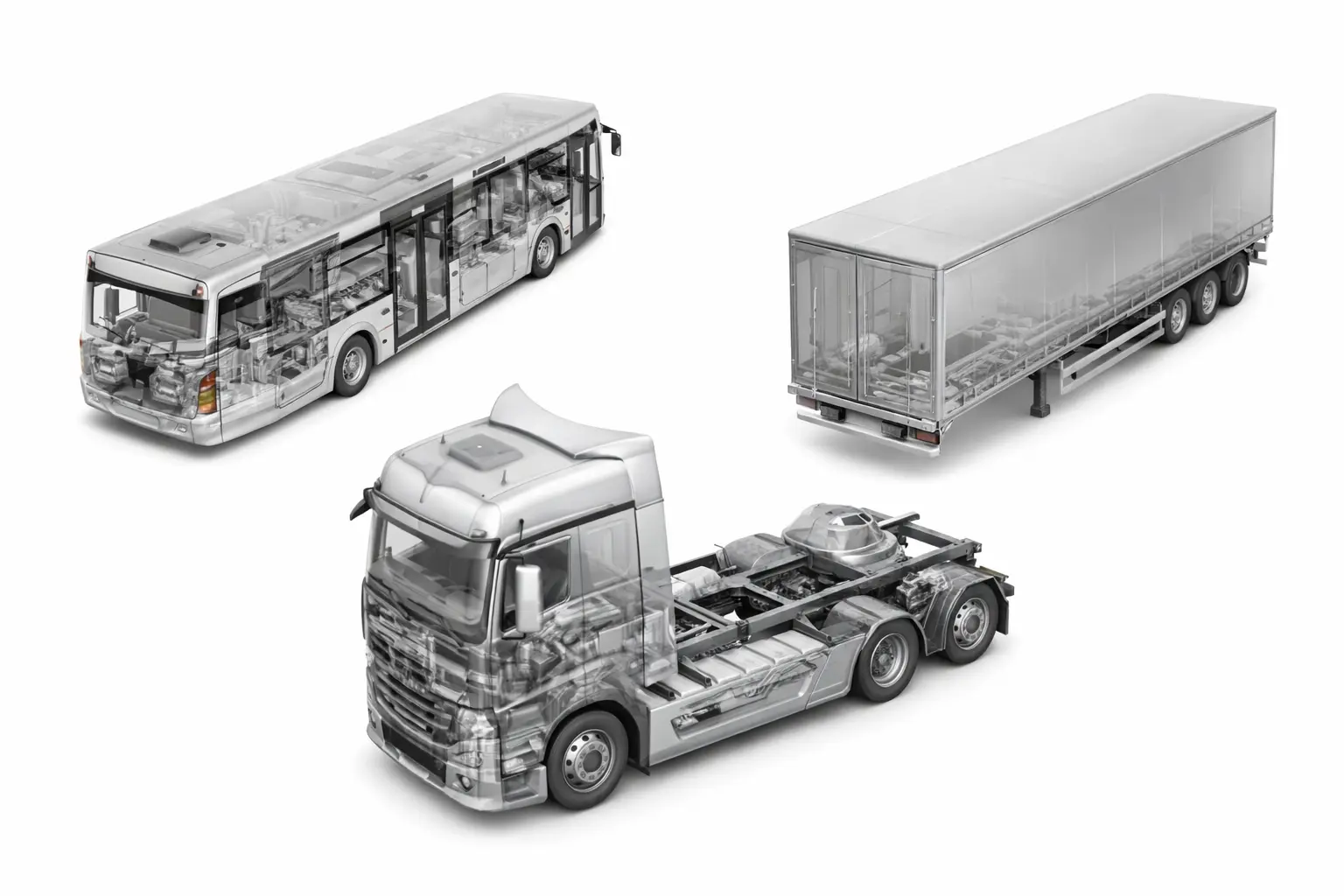
New generation premium compressor parts and filters with high moisture retention capacity and integrated oil separator (Oil Separator), tested in the harshest winter conditions for trucks, semi-trucks, and buses.
Examine the Broad Catalog Get Instant QuoteDirect shipping worldwide from our production and logistics center in Turkey. Take advantage of high-volume orders with competitive factory prices and original parts guarantee.
International Wholesale Sales Department


