

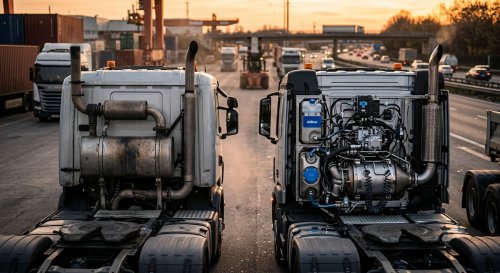
European Union emission standards are the driving force directly shaping the mechanical and electronic evolution of the heavy duty vehicle and logistics sectors. Following the Euro 3 norm, which was considered a milestone in the heavy duty vehicle market, the introduction of the Euro 4 standard did not just lower exhaust gas limits; it radically transformed engine architecture, fuel injection pressures, and exhaust lines. As of 2026, strict environmental taxes and Low Emission Zone (LEZ) restrictions in urban centers applied to international transport make understanding the differences between these two generations a commercial necessity.
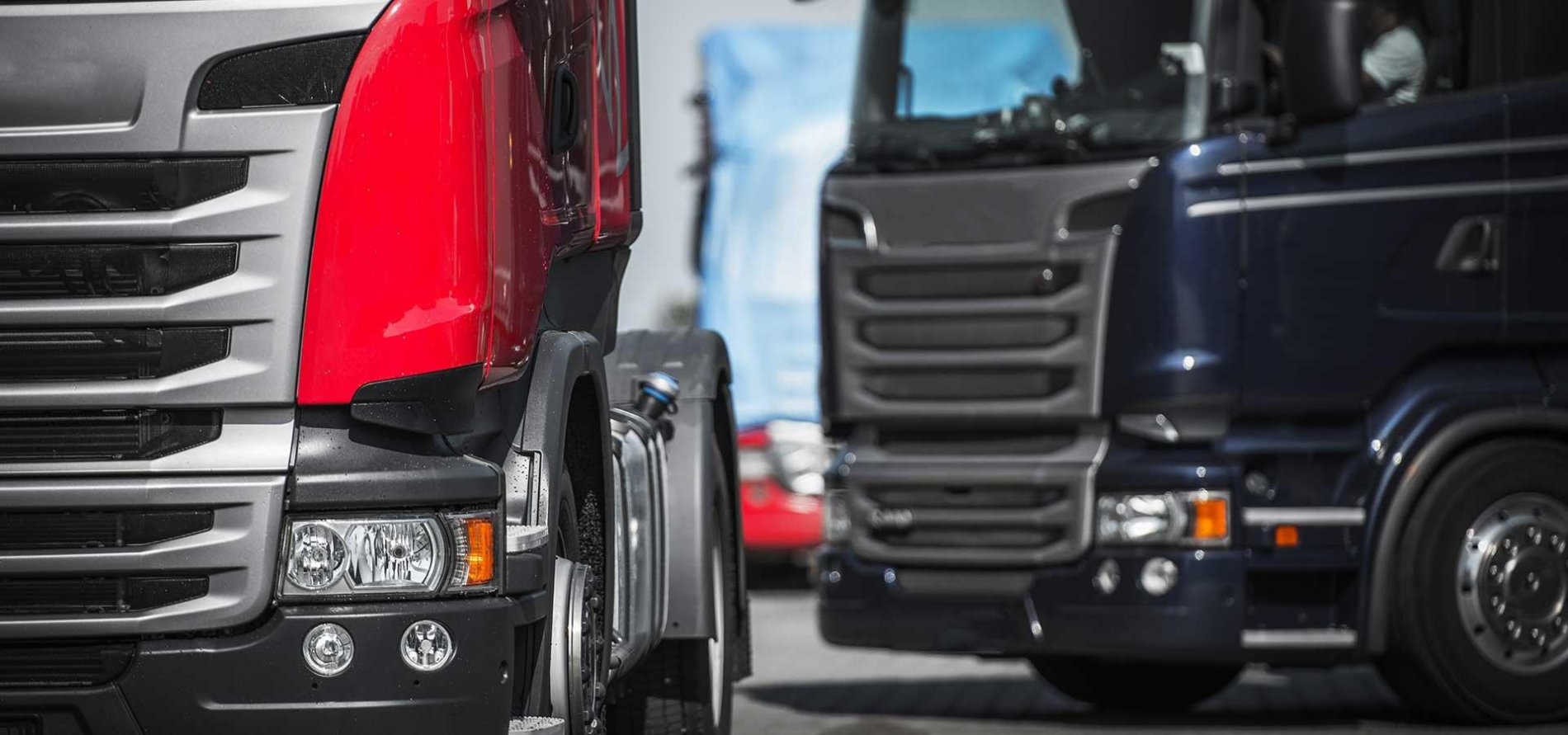
The simplest answer to the question what is Euro 3, which became mandatory for heavy vehicles in October 2000, is that it represents the first step for engines out of the world of mechanical control units and into the electronic realm. The Euro 4 norm, taking effect in October 2005 (and with full compliance in 2006), elevated this electronification to the next level. The primary goal was to reduce nitrogen oxides (NOx) emitted into nature by diesel engines by 30%, and lethal particulate matter (PM) by 80%.
Euro 3 emission standards addressed emission control largely through internal engine combustion technologies and early-generation EGR (Exhaust Gas Recirculation) valves. With Euro 4, AdBlue (SCR - Selective Catalytic Reduction) systems entered the automotive world for the first time. Euro 4 trucks began spraying AdBlue fluid into the exhaust gas to convert harmful NOx gases into harmless nitrogen and water vapor before they were released into the atmosphere. This essentially transformed the exhaust line into a complex laboratory.
While Euro 3 engines utilized unit injectors and early-stage Common Rail systems, injection pressures reached much higher levels in Euro 4 engines. High pressure ensures that fuel is finely atomized inside the cylinder and burns more efficiently. However, this has astronomically increased the sensitivity of Euro 4 vehicles to fuel quality. Low-quality fuels with high sulfur content, which could be tolerated by Euro 3 engines, cause direct damage to the precise injector structures and catalytic converters of Euro 4 engines.
Even though Euro 3 and Euro 4 vehicles are considered "older generations" in today's 2026 logistics world, they still maintain their presence in regional transport. However, across Europe's Low Emission Zones (LEZ) and highway toll systems (Maut), Euro 3 vehicles are subject to the highest tariff rates and penalties. While Euro 4 vehicles can obtain temporary permits in certain regions through filter retrofits thanks to their AdBlue systems, the competitive edge of Euro 3 vehicles in international logistics has completely eroded.
---| Technical / Legal Feature | Euro 3 Standard (Heavy Duty) | Euro 4 Standard (Heavy Duty) |
|---|---|---|
| Mandatory Date | October 2000 | October 2005 / 2006 |
| NOx (Nitrogen Oxide) Limit | 5.0 g/kWh | 3.5 g/kWh (30% Reduction) |
| PM (Particulate Matter) Limit | 0.10 g/kWh | 0.02 g/kWh (80% Reduction) |
| AdBlue (SCR) Requirement | None (In-engine Combustion / EGR only) | Mandatory for the First Time (Manufacturer-dependent SCR use) |
| Spare Part Tolerances | Precise control at micron level | Much tighter micron tolerances, advanced sensors |
| 2026 European Toll Tax | Highest tax bracket (Maut) | High tax bracket (Partial restrictions) |
❓ Can a Euro 3 vehicle be upgraded to Euro 4 standards via modification?
Theoretically, emission levels can be reduced by fitting external retrofit exhaust filters (DPF/SCR systems), which can be registered on the vehicle's logbook in some countries. However, this process is expensive, and because the original engine structure does not possess the high injection pressures of a Euro 4, performance drops may occur.
❓ Do Euro 4 engine parts fit directly onto a Euro 3 engine?
No, they generally do not fit directly. In the Euro 4 generation, engine parts, sensor ports, cylinder head designs, and the micron-level nozzle diameters of injectors have changed. It is vital to choose original quality truck spare parts matching your vehicle's specific VIN (chassis number).
❓ Does a malfunction indicator light for emissions affect the engine performance in Euro 4 vehicles?
Yes, it does. The OBD (On-Board Diagnostics) system is significantly more advanced in Euro 4 standards. In case of poor AdBlue quality, SCR clogging, or an inefficiency arising within the filter systems, the engine switches to a torque limitation mode (limp mode), directly reducing the vehicle's pulling power.


