

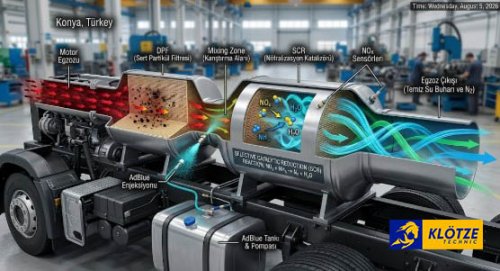
What is Euro 5 fuel and how does it affect heavy-duty engines? The Euro 5 emission norm is an international environmental standard that reduced the sulfur content in diesel fuel to 10 ppm (Ultra-Low Sulfur Diesel) to minimize exhaust gas pollution in commercial vehicles, while making SCR (AdBlue) systems and advanced DPF/EGR technologies a mandatory industry baseline. Reducing nitrogen oxide (NOx) emissions by 40% and particulate matter (PM) emissions significantly compared to the Euro 4 norm, Euro 5 standards make the use of high-quality spare parts, SCR dosing units, and precision filters mandatory for injector health, fuel economy, and long engine life in heavy-duty fleets.
What is Euro 4 Fuel? Norms and Engine Effects

Euro 3 vs Euro 4: 2026 Updated Differences
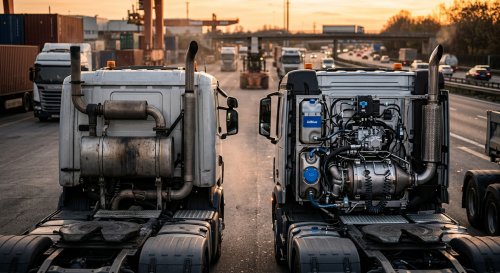
In the heavy-duty vehicle sector, the transition to Euro 5 norms brought not only stricter exhaust gas limits but also radical structural changes in exhaust aftertreatment systems and high-pressure fuel injection. The mandatory use of Ultra-Low Sulfur Euro Diesel fuel (10 ppm) prevents premature wear on Common Rail injection systems while protecting sensitive SCR catalysts, NOx sensors, and exhaust system components from chemical degradation.
To comply with Euro 5 standards, commercial vehicle manufacturers (such as Volvo, Scania, MAN, Mercedes-Benz, Iveco, and DAF) integrated high-efficiency exhaust aftertreatment technologies:
SCR (Selective Catalytic Reduction) & Dosing Pumps: In Euro 5 engines, AdBlue consumption rates are optimized to treat higher NOx volumes. Precise dosing pumps spray AdBlue into the hot exhaust gases, converting harmful nitrogen oxides into harmless nitrogen and water vapor inside the catalytic converter.
Cooled EGR & DPF Integration: Some Euro 5 configurations combine cooled EGR with Diesel Particulate Filters (DPF) to trap soot particles before they exit the tailpipe. Clean, dry air supplied by high-capacity air dryer cartridges is essential to prevent pneumatic valves from sticking in these advanced emission control loops.
While Euro 4 engines relied on early-stage SCR or basic EGR systems with a 50 ppm sulfur tolerance, Euro 5 engines demand ultra-clean 10 ppm fuel and utilize precise electronic sensor networks (upstream/downstream NOx sensors, exhaust temperature sensors) to strictly monitor emission output. For logistics and transport fleets operating across Europe and international corridors, Euro 5 compliance provides significant operational savings in highway toll charges (Maut) and low-emission zones.
| Criterion / Standard | Euro 4 Standard | Euro 5 Standard |
| Sulfur Content (Max) | 50 ppm (Euro Diesel) | 10 ppm (Ultra-Low Sulfur Diesel) |
| NOx Emission Limit | 3.5 g/kWh | 2.0 g/kWh (43% Reduction) |
| Particulate Matter (PM) | 0.02 g/kWh | 0.02 g/kWh (Stricter Test Cycles) |
| Exhaust Aftertreatment | Early SCR or Cooled EGR | Mandatory Advanced SCR / DPF / EGR |
| System Sensitivity | High / Precise Filter Requirement | Ultra-High / Zero Tolerance to Contaminants |
Using non-standard fuel with high sulfur content poisons the precious metals inside the SCR catalyst, clogs DPF filters rapidly, and causes severe carbon buildup on high-pressure injectors. This leads to immediate engine check lights, significant power loss, and costly catalytic converter replacements.
While air dryer cartridges may physically thread onto the manifold, using Euro 4 spec filters on Euro 5 systems is highly discouraged. Euro 5 pneumatic and SCR systems operate under stricter moisture and oil-contamination limits. Failing to use specialized Euro 5 air dryer cartridges with high-efficiency oil separator capacity allows oil aerosol carryover, destroying expensive SCR dosing valves and NOx sensors.
When a NOx sensor misreads or the AdBlue dosing pump fails, the ECU flags an emission fault. If left unserviced, the ECU automatically initiates a power torque reduction (Limp Mode) and speed restriction (e.g., capping vehicle speed at 20 km/h or reducing engine torque by 25–40%) to enforce environmental compliance.
Yes. Highway toll tariffs (such as German Maut, ASFINAG in Austria, etc.) structure their pricing per kilometer directly based on Euro emission classes. Euro 5 vehicles benefit from significantly lower toll rates and access authorization in Low Emission Zones (LEZ) compared to Euro 4, Euro 3, and older fleets.
To maintain peak Common Rail pressure and protect the SCR system:
Always fuel with 10 ppm Ultra-Low Sulfur Diesel.
Use ISO 22241 compliant AdBlue fluid.
Replace fuel-water separators, urea filters, and air dryer cartridges strictly on schedule using Klötze Technic OEM quality products.
Depending on the manufacturer’s engine design (e.g., EGR+DPF vs. pure SCR), DPF filters accumulate non-combustible ash over time. Periodic inspection and professional cleaning of the DPF core, along with replacing worn pressure differential sensors, are vital to prevent excessive exhaust backpressure and turbocharger failure.
We offer professional solutions in high-quality air dryer systems, emission control components, fuel filters, and pneumatic spare parts for your Euro 5 engined commercial vehicles. Review our catalog or contact our expert team immediately.


